Growing Butterflies From Caterpillars
The Same Activity at Two and Five
Some activities are worth coming back to.
Growing butterflies from caterpillars has been one of those activities for us. We first did it when Ben was two, using a butterfly kit from Insect Lore. They provided the caterpillars, food and enclosure, and we spent weeks watching them grow, change and eventually become butterflies.
At two, it was mostly about wonder.
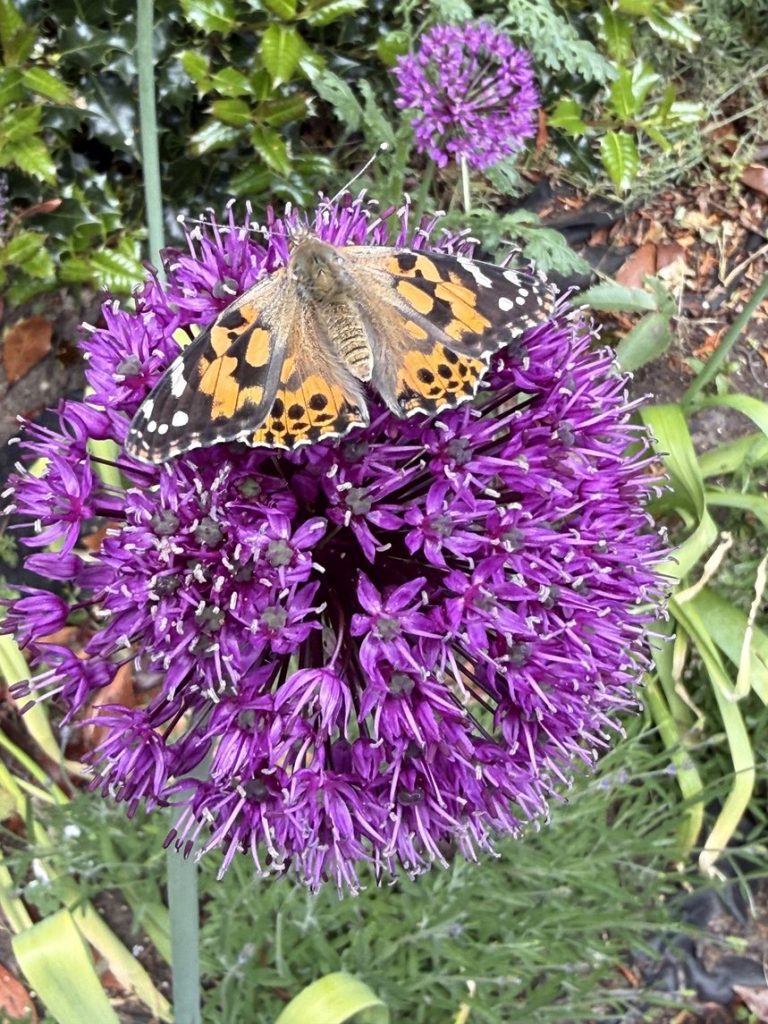
We linked it to The Very Hungry Caterpillar, watched the caterpillars wriggle around in their pot, talked about them getting bigger, and waited for the exciting moment when the butterflies finally emerged. It was simple, visual and memorable.
Now Ben is five, we have done it again, but this time the learning has looked completely different.
The activity itself was the same. The caterpillars still arrived tiny. We still watched them grow. We still waited for them to form chrysalides. We still moved them into the enclosure and watched for butterflies.
But this time, the questions were bigger.
He wanted to know what was happening inside the chrysalis. He noticed the caterpillars’ bodies in more detail. He was interested in their legs, their movement, their segments and what made them insects. We talked more about life cycles, classification, habitats, change, observation and the difference between insects and other animals.
It reminded me that home education does not always need brand new activities.
Sometimes the richest learning comes from revisiting something familiar at a new stage.
When We Did It at Two
When Ben was two, we kept everything very gentle.
We read The Very Hungry Caterpillar and used that as our main link. The book gave him a simple story to connect with what he was seeing in real life.
At that age, the learning was things like:
- Watching closely
- Noticing change
- Using words like caterpillar, butterfly, wings and grow
- Learning to be gentle
- Waiting
- Talking about what we could see
- Connecting a storybook to real life
It did not need to be complicated.
We did not need to explain everything scientifically. We did not need life cycle diagrams or proper terminology. It was enough to notice that the caterpillars were getting bigger and that one day, after a lot of waiting, butterflies appeared.
That was magical enough.
Doing It Again at Five
This time, Ben was ready for much more detail.
He could understand that a butterfly has a life cycle. He could follow the stages from egg, to caterpillar, to chrysalis, to butterfly. He could make comparisons and ask questions. He could look more closely at the caterpillars’ bodies and think about what made them insects.
We talked about how insects have:
- Six legs
- Three main body parts
- Antennae
- An exoskeleton
- Different stages of growth
We also talked about how caterpillars and butterflies are the same living thing at different points in their life cycle, which is such a strange and fascinating idea for children.
This time, it was not just “the caterpillar turns into a butterfly.”
It was:
How does it change?
Why does it change?
Is a caterpillar an insect?
What does the butterfly need when it emerges?
How can we tell the difference between insects and other creatures?
What happens next?
The same activity had grown with him.
What We Used
We used an Insect Lore butterfly kit with a butterfly enclosure.
The kit made it really straightforward because everything we needed was included. The caterpillars arrived with their food, and once they had formed their chrysalides, we moved them into the enclosure and waited for the butterflies to emerge.
The waiting was a big part of it.
It is not an instant activity. You do not set it up and get the result the same day. You watch tiny changes over time. Some days, not much seems to happen. Other days, everything looks different.
That slow process is actually part of what makes it so valuable.
Children get to observe something real, over days and weeks, and see that nature does not work on demand.
What Children Can Learn
Growing butterflies from caterpillars can cover so many areas of learning without feeling forced.
There is science, of course. Life cycles, growth, change, body parts, classification and habitats all fit naturally.
But there is also patience. Care. Curiosity. Language. Observation. Recording. Responsibility. Gentle handling. Respect for living things.
You can keep it very simple for younger children or go into much more detail for older children.
That is what I loved most about doing it again.
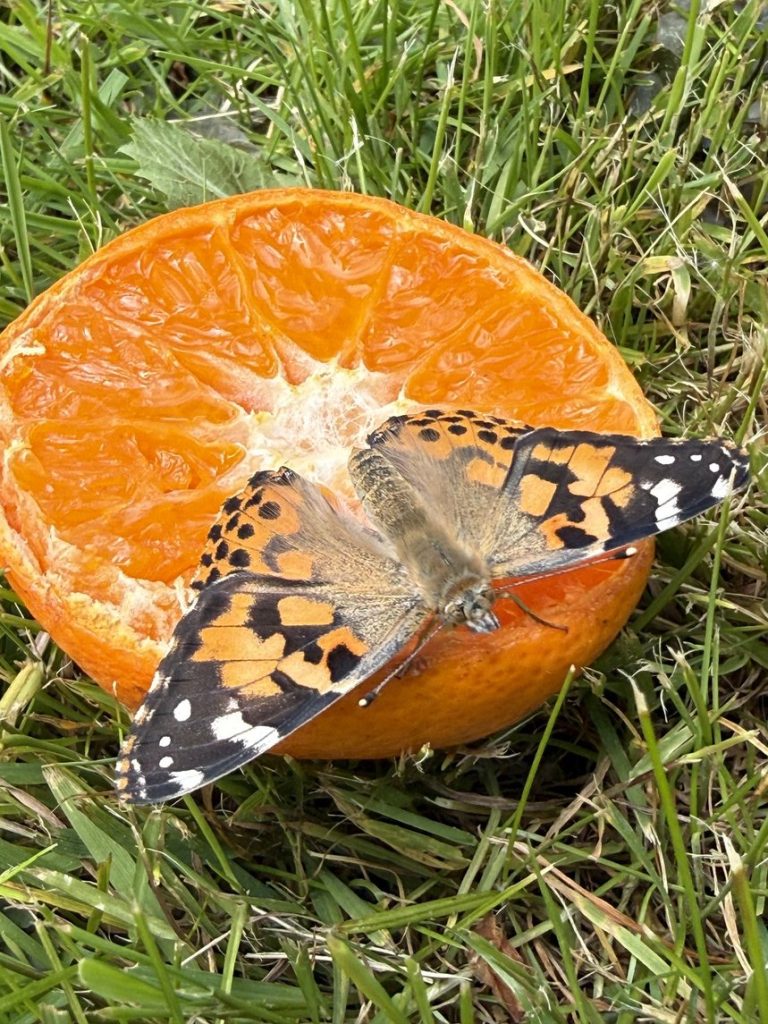
Same Activity, Different Learning
Sometimes I think we put pressure on ourselves to keep finding new things.
New activities. New resources. New ideas. New ways to make learning exciting.
But children do not always need something completely new.
They can return to the same experiences and meet them differently.
A two-year-old might see a caterpillar and think, “It is wriggly.”
A five-year-old might wonder how it eats, why it has so many legs, what is happening inside the chrysalis, and whether a butterfly is still an insect.
Both are learning.
Both are valid.
The activity has not changed, but the child has.
Ideas for Adapting This Activity by Age
For toddlers and younger children, you could:
- Read The Very Hungry Caterpillar
- Use simple words like grow, change, wings and butterfly
- Watch the caterpillars each day
- Sing songs about caterpillars or butterflies
- Make butterfly paintings or symmetry pictures
- Practise being gentle around living things
For older children, you could:
- Learn the full butterfly life cycle
- Use words like larva, chrysalis, metamorphosis and insect
- Look at insect classification
- Compare butterflies with bees, beetles or spiders
- Draw labelled diagrams
- Keep a daily observation journal
- Research what butterflies eat
- Talk about habitats and how to help pollinators
You can make it as simple or as detailed as your child is ready for.
A Lovely Home Education Activity
This has been one of those activities that fits really well with how we like to learn at home.
It is hands-on. It is real. It can be connected to books, art, science, conversation and outdoor learning. It does not need to be rushed or over-planned.
And it gives children the chance to see something genuinely fascinating happen right in front of them.
When we did it at two, it was about story, excitement and wonder.
Now, at five, it has become a deeper look at life cycles, insects and how living things change.
Same activity.
Different stage.
New learning.
And that, for me, is one of the best parts of home education.