Am I Doing Enough Home Ed?
There is a question that seems to sit quietly underneath so many home education days.
Am I doing enough?
It can appear after a busy week when you realise there has been no formal maths. It can appear after a slow day when everyone has been tired. It can appear when your child resists anything that looks too much like “work”, or when you see someone else’s colour-coded timetable, beautiful unit study, or child happily writing pages and pages.
And suddenly, even though your child has been learning all day, it feels like it might not count.
But home education does not always look like sitting at a table.
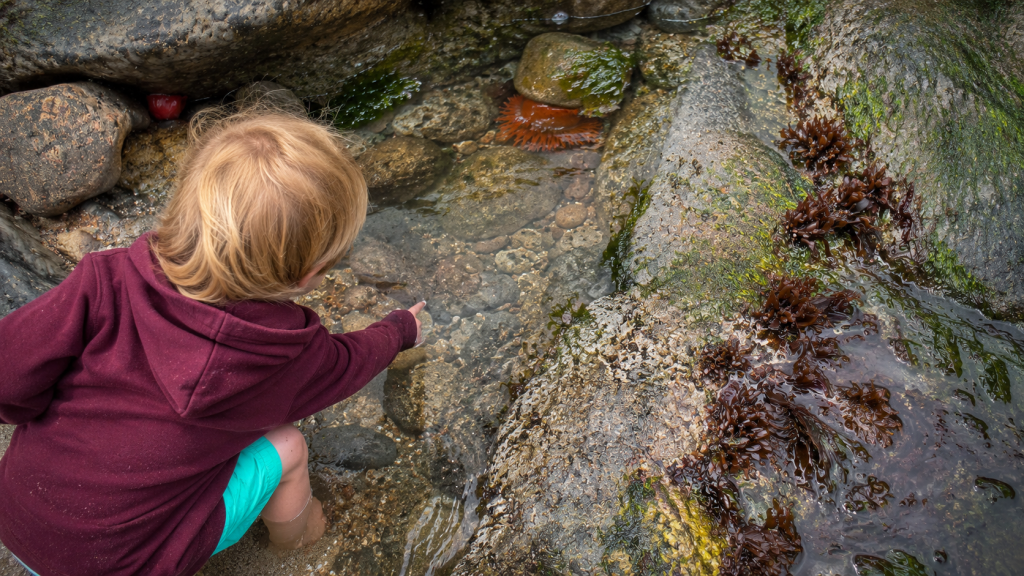
Sometimes it looks like following signs on the Underground and working out where to go next. Sometimes it is reading “Way out” because there is a real reason to read it. Sometimes it is measuring ingredients for cookies, spotting words on road signs, counting money at a car boot sale, asking how much something costs, building dens, trying new food, noticing the wake behind a boat, or asking enormous questions at completely inconvenient times.
Learning can be loud, messy, inconvenient, repetitive and deeply ordinary.
A child who resists reading in a book might happily play a game where you randomly shout out words from signs while driving slowly. A child who does not want to draw might carefully design a cookie, decorate it with an icing pen, or make a pig picture because it has a purpose. A child who seems to be “just playing” might be negotiating, problem-solving, planning, testing ideas, using language, managing disappointment, and building confidence.
That does not mean formal learning never matters. It does. Reading, writing and maths are important. But they do not have to be forced into every single moment for a day to have value.
One of the helpful things for me is to look back over a week instead of judging a single day.
Did we read something, even if it was a sign, a recipe, a label, a message, or a book?
Did we use numbers in real life?
Did we talk, wonder, explore, move, make, build, cook, visit, listen, or try?
Did my child practise being with other people, managing frustration, asking questions, or doing something that felt a bit hard?
When I look at it that way, I can usually see that more has happened than I realised.
Not every week covers everything. Some weeks are heavy on nature and social skills. Some weeks are full of practical maths. Some weeks are mostly survival, snacks, fresh air, and keeping everyone vaguely regulated. That is normal too.
Home education is not about recreating school at home every day. It is about noticing the learning that is already happening, gently adding opportunities, and building a life where curiosity has room to grow.
So if you are asking, “Am I doing enough home ed?” maybe the answer starts with another question:
What has my child experienced, practised, noticed, asked, tried or understood this week that they couldn’t before?
Because often, when you stop looking for school-shaped evidence, you realise there has been learning everywhere.