Learning at the Beach Without Making It Feel Like School
One of the things I love most about home education is how much learning happens when you stop trying to force it.
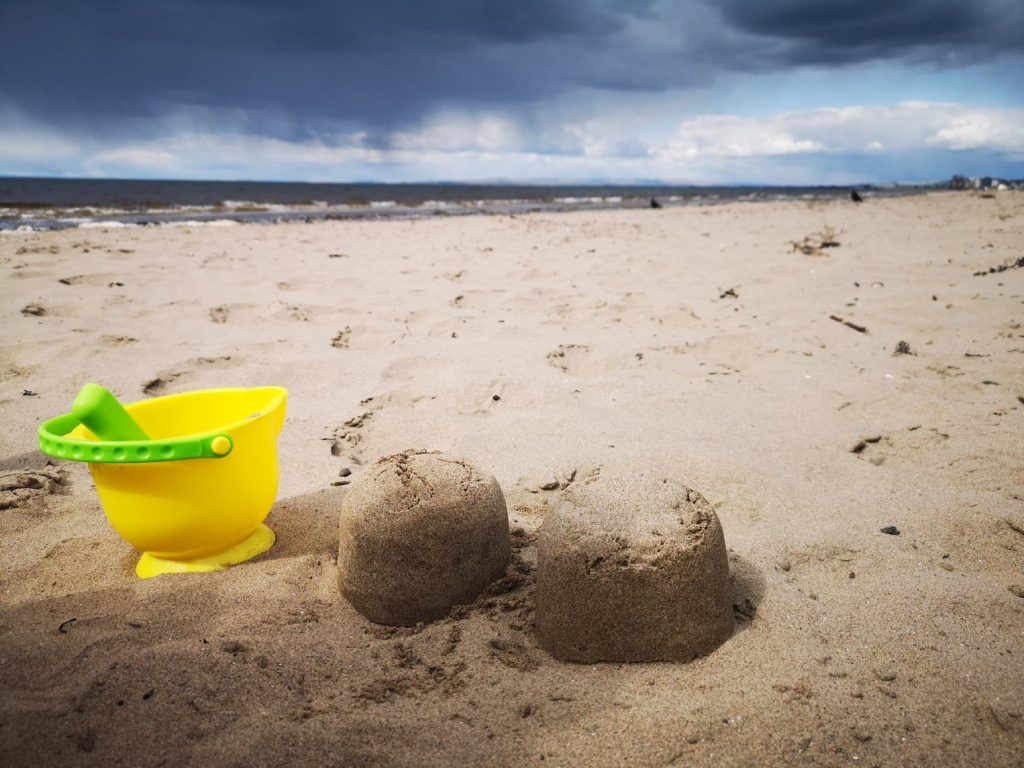
We have just been to the beach, and it reminded me again how much children naturally explore, question, test, move, notice and create when they are given time and space. No worksheets. No planned lesson. No pressure to “do learning”. Just sand, sea, stones, shells, buckets, spades, snacks, and a child who is curious about everything.
The beach is one of those places where learning is everywhere, but it does not need to look like school. It might look like digging a giant trench for the sea to rush into. It might look like collecting favourite stones and carefully carrying them back to show someone. It might look like joining in with another family’s sandcastle and suddenly being part of a little team. It might look like asking why the tide comes in, why some stones are smooth, or why seaweed feels so strange.
That is still learning.
Actually, it is often the best kind.
Following Their Lead
When we go to the beach, I try not to arrive with too many expectations. I might have a few ideas in my head, but I have learnt that the best moments usually happen when I follow what my child is already interested in.
On our recent beach trip, Ben ended up joining another family who were building a huge sandcastle. There was a big trench being dug for the sea as the tide came in, and it turned into one of those brilliant childhood moments where everyone is busy, involved and completely absorbed.
There was so much going on in that one activity.
They were digging, carrying, scooping, balancing, negotiating, watching the water, making decisions and changing the plan when the sea did something different. Nobody needed to turn it into a lesson. The learning was already there.
Later, he was finding favourite stones in the sand and taking them over to his grandad, who was sitting nearby watching. It was such a simple thing, but it involved noticing differences, choosing carefully, describing what he had found and sharing something that mattered to him.
Sometimes we can miss the learning because it looks too ordinary.
What Children Can Learn at the Beach
The beach is full of opportunities for real, hands-on learning. Children are using their bodies, their senses and their ideas all at once.
They might be learning about:
- Science, by watching the tide, floating objects, sinking stones, rock pools, waves, shells and sea creatures.
- Maths, by counting shells, comparing sizes, filling buckets, measuring holes, spotting patterns and estimating how far the sea is.
- Language, by describing textures, telling stories, asking questions and talking through their ideas.
- Physical development, by climbing, balancing, digging, carrying water and running on uneven ground.
- Creativity, by building, drawing in sand, making pretend worlds and using natural materials.
- Social skills, by joining in with other children, sharing tools, taking turns and working together.
- Problem-solving, by figuring out why a sandcastle keeps falling down or how to stop water escaping from a trench.
It is easy to feel like learning needs to be written down to count, but so much important early learning is practical, physical and playful.
Simple Beach Learning Ideas
If you want to gently add learning into a beach day, you do not need to take much with you. A bucket, spade and curious attitude are usually enough.
You could try:
Stone collecting
Look for smooth stones, stripy stones, tiny stones, sparkly stones or stones shaped like something else. Sort them by colour, size or texture.
Sand writing
Use fingers, sticks, shells or seaweed to draw patterns, write names, make shapes or practise letters.
Shell counting
Count shells into a bucket, make groups, compare who found the biggest or smallest, or create a shell pattern in the sand.
Build a sandcastle village
Add roads, rivers, bridges, walls, gardens and tiny houses. This is brilliant for storytelling and problem-solving.
Watch the tide
Notice whether the sea is coming closer or moving away. Mark a line in the sand and check what happens after a few minutes.
Make a beach treasure tray
Collect a few interesting things and talk about them together. What feels rough? What feels smooth? What is natural? What might have been made by people?
Dig a channel for the sea
This is always a favourite. Children can experiment with slopes, water flow, speed and direction without realising they are exploring science.
Create beach art
Use stones, shells, seaweed and sticks to make faces, animals, patterns or pictures.
Look closely at rock pools
Watch carefully before touching anything. Talk about what lives there, how creatures hide, and why we need to be gentle.
Keeping It Relaxed
The main thing I try to remember is that I do not need to turn every moment into a question.
It is tempting to say, “What colour is that? How many shells have you got? What letter does that start with?” all day long, especially when you know there is learning potential everywhere.
But sometimes children need us to just be with them.
Sometimes the best thing to say is, “That’s a lovely one,” or “Show me where you found it,” or “Wow, the water came in fast then.”
The learning does not disappear just because we are not constantly naming it.
A relaxed beach day still counts. A sandy, snack-filled, slightly chaotic beach day still counts. A day where everyone ends up tired, windswept and carrying half the beach home in their shoes still counts.
What I Try to Pack
With a baby and a young child, I have found that being a little bit organised makes beach days much easier.
We usually need the obvious things like towels, spare clothes, snacks, drinks, sun cream, hats or warm layers depending on the weather. But the little practical things help too.
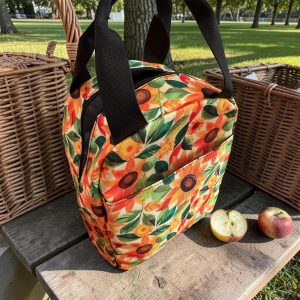
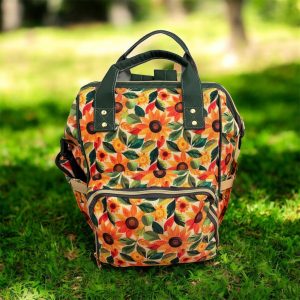
A small bag for nappy bits is really useful because you do not want to dig through everything when you just need wipes or a clean nappy. I also like having a separate waterproof-style bag for damp clothes, swim things, towels or anything that gets sandy. And if you are taking food, a lunch bag makes such a difference, especially when you are out for hours and everyone suddenly becomes starving.
I have also learnt that prams with tiny wheels are not beach friendly. Bigger wheels are much easier if you need to get across sand, and hiring a beach hut can be brilliant if you are staying for the day with a baby. It gives you somewhere to feed, change, shelter, dump bags and have a bit of a reset.
Letting the Day Be Enough
I think one of the nicest things about beach learning is that it reminds you how capable children are when they have space to explore.
They do not need everything set up for them. They do not need every activity to have an outcome. They do not need us to make it look impressive.
They need time.
Time to dig. Time to notice. Time to get wet sleeves. Time to carry stones back and forth. Time to make friends over a sandcastle. Time to watch the sea undo half their hard work and then decide to build it again anyway.
That is learning too.
And honestly, those are often the moments they remember.